


The 30 Best Android Games That Actually Deserve Your Storage Space
Best android games are the elite, hand-picked mobile experiences that transform your phone into a portable arcade of pure, unadulterated fun. They work by delivering console-quality graphics, razor-sharp controls, and immersive stories that load instantly, with no bulky hardware required. You use them to turn idle minutes into epic quests, pulling out a masterpiece like *Genshin Impact* or *Dead Cells* for a quick, satisfying burst of adrenaline whenever you crave it. Their real value is this: one tap unlocks a library of instant, high-octane escapism that sits right in your pocket, ready to dominate your downtime.
What Makes a Mobile Game Worth Your Storage Space in 2025?
In 2025, a game earns your storage by respecting your time and hardware, not just flexing graphics. The best Android games are those you can pick up for a three-minute session or a three-hour grind without forced daily chores. Look for offline modes that work flawlessly on a commute, and check if the size actually translates to content depth—a 2GB open world that’s empty is a waste, while a 800MB roguelike with endless build variety is a keeper. Always check the post-download size in settings before committing. Q: How do I know if a game is worth the space? A: Read recent reviews from players with mid-range phones—they’ll tell you if it bloats or lags after updates. If it respects your battery and offers replayable single-player value, delete something else for it.
Key Qualities That Separate Top-Tier Android Titles from Clutter
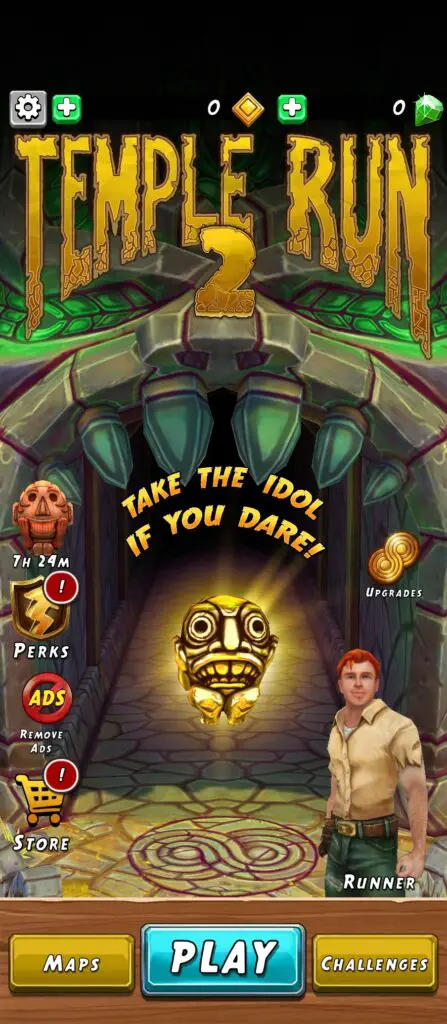
The strongest Android titles earn their place by respecting your time and hardware, and the key qualities that separate top-tier Android titles from clutter are immediately obvious. Look for **offline-first stability**—a premium game loads instantly and plays flawlessly without demanding a constant connection, avoiding spinner purgatory. Check if the interface is thumb-friendly, with no accidental mis-taps during frantic action. A top-tier game offers meaningful progression without predatory timers, letting you feel accomplishment in five-minute bursts or hour-long sessions. Crucially, it must survive OS updates gracefully, refusing to break after a phone refresh. Clutter crumbles on any of these fronts, while a masterpiece makes every launch feel deliberate, not like a gamble on your data or patience.
How to Spot a Game That Respects Your Time and Battery Life
A game that respects your time lets you save progress instantly, with no mandatory “wait 2 hours for a build” timers. Check for a visible offline-progress system or quick-session mode (like auto-battlers) before downloading. Battery-wise, scan reviews for “drains fast” or “heats up” complaints—a red flag. Also, look for adjustable graphics settings, especially a 30fps or low-power toggle. A clear sequence: 1) read recent reviews for battery mentions, 2) test the first five minutes for forced ads or unskippable intros, 3) check if the game runs smoothly on low battery saver. If it requires constant online connection, it’s likely a data hog—skip it.
Which Genres Offer the Most Replay Value on Android Devices?
For enduring replay value on Android, roguelikes and auto-battlers dominate because their procedural runs and synergistic builds never play the same twice. Titles like *Slay the Spire* or *Dead Cells* push you toward mastery through incremental unlocks, making every failed run a lesson. Similarly, competitive card games and deck-builders thrive on meta-shifting strategies, rewarding constant adaptation. Meanwhile, endless runners with daily challenges and online leaderboards, such as *Alto’s Odyssey*, offer quick, addictive loops that respect short sessions. Avoid linear story-driven games; their narratives exhaust quickly.
The true replay champions are those that generate content from player skill, not pre-scripted levels.
For the best Android games, prioritize genres where your decisions compound—that’s where hundreds of hours vanish effortlessly.

Roguelikes, Strategy, and Puzzle Games That Keep You Hooked for Months
For enduring replay value on Android, roguelikes, strategy, and puzzle games excel by generating unique challenges each session. Roguelikes like *Dead Cells* rely on permadeath and randomized loot, forcing you to adapt builds rather than memorize levels. Strategy titles, such as *Into the Breach*, offer perfect-information puzzles with tight turn limits, rewarding iterative mastery of counters. Puzzle games like *Puzzle & Dragons* fuse match-3 mechanics with team synergies, creating a long-term progression loop. Android’s best long-term hooks emerge from procedural generation and escalating difficulty curves, not static content. Q: What makes these genres last months? A: Their systems demand constant re-evaluation—no single optimal path exists, so every run or level feels like a new problem to solve.
Comparing Online Multiplayer Mayhem vs. Offline Single-Player Gems
When comparing online multiplayer mayhem versus offline single-player gems for Android replay value, the decision hinges on your access to a stable connection and tolerance for repetition. Online titles like *Call of Duty Mobile* deliver endless unpredictable matches, but their replay value is tethered to server health and meta shifts that can frustrate casual players. Offline gems such as *Dead Cells* or *Slay the Spire* offer crafted, roguelike loops where every run is unique, rewarding skill mastery without external dependencies. For pure, portable longevity, offline single-player gems often outlast online mayhem because they never suffer from matchmaking downtime, forced updates, or android games review toxic lobbies, making them ideal for commutes and flights. Conversely, if you crave dynamic human competition, online chaos provides infinite novelty—just accept the occasional lag spike.
How Do You Match a Game Choice to Your Specific Phone’s Hardware?
To match a game choice to your specific phone’s hardware, start by checking your chipset (Snapdragon 8 Gen 2 vs. Dimensity 7200) and RAM—these dictate whether a “best Android game” like *Genshin Impact* runs at 60fps or stutters. Your GPU and thermal design are the real gatekeepers; a flagship SoC with vapor chamber cooling handles high-end titles, while midrange phones should stick to optimized games like *Dead Cells* or *Vampire Survivors*. Check your display’s refresh rate and resolution: a 90Hz screen benefits from racing games, but a 1080p panel will drain battery on 4K texture packs. Also, verify storage type (UFS 3.1 vs. 2.2) for load times in open-world maps.
Always test a demanding demo for 10 minutes—if the back gets hot or frame drops appear, drop graphics settings or choose a lighter title.
Finally, use your phone’s Game Launcher (if available) to see per-game battery and thermals, then pick from curated “best Android games” lists that filter by device class.
Checking RAM, GPU, and Thermal Requirements Before You Hit Install

Before installing any title from the best Android games list, verify its RAM, GPU, and thermal requirements against your device’s specifications. Open your phone’s settings to confirm available memory, as games demanding 6GB or more will stutter on older hardware. Check your GPU model against the game’s supported chipsets; a mid-range Adreno or Mali unit often handles most releases, but flagship titles may require higher-tier silicon. Finally, assess thermal limits—prolonged sessions on demanding games can trigger throttling, reducing frame rates and damaging battery health. Compare the game’s stated thermal load with your device’s cooling design. This pre-install audit prevents poor performance, crashes, and overheating, ensuring you only commit storage to titles your hardware can genuinely run. Matching requirements to your phone’s capabilities is critical for a smooth experience.
Optimization Tips for Mid-Range Phones: Graphics Settings That Matter
For mid-range phones, prioritize **graphics settings that matter** over blanket presets. Lower shadow resolution and disable ambient occlusion first; these cost more GPU than visible visual gain. Keep textures at high—they impact sharpness minimally on frame rate, provided VRAM isn’t maxed. Set the frame rate cap to 45 or 60, not “unlimited,” to prevent thermal throttling. Understanding that your specific SoC’s GPU, not the phone’s brand, dictates which settings you can keep is the real secret. Test a demanding scene, then step down only draw distance and post-processing like bloom or motion blur, which often cause jitter on mid-tier chips.
Q: What is the single biggest frame-rate killer on mid-range phones?
A: Excessive anti-aliasing (MSAA or 4x) and high dynamic shadows—disable both before tweaking anything else.
What Are the Best Premium Android Games That Avoid Pay-to-Win Traps?

The best premium Android games that dodge pay-to-win traps reward your skill, not your wallet. Dead Cells offers a complete roguelike action experience with zero ads and all upgrades earned through gameplay, while Slay the Spire delivers hundreds of hours of deck-building strategy where every card unlock comes from playing, not paying. These titles use a one-time purchase model, so your progress stays pure. For a deeper narrative, Bastion gives a fully realized world with no microtransactions, and even the most tempting “booster” packs in premium games like Stardew Valley are entirely cosmetic, not competitive. The key is checking for “no IAP” in the listing—then you know victory depends on your choices, not your credit card.
One-Time Purchase Titles with Zero Ads and Meaningful Content Drops
For players seeking premium Android games without pay-to-win mechanics, one-time purchase titles deliver a complete experience by charging upfront and never asking again. These games eliminate interstitial and rewarded ads entirely, so immersion remains unbroken during critical puzzles or combat sequences. Meaningful content drops arrive as free, substantial expansions—new campaigns, mechanics, or boss arenas—rather than timed micro-transactions, ensuring your initial payment funds long-term value. Unlike freemium models that gate progress, each update respects your time by adding depth, not artificial scarcity. This model shines in genres like roguelikes, RPGs, and strategy, where a single fee guarantees a polished, self-contained journey.
One-time purchase titles with zero ads and meaningful content drops offer a complete, uninterrupted experience where every expansion feels like a reward, not a paywall.
How to Verify a Game’s Monetization Model Through User Reviews and Reddit
To verify an Android game’s monetization before downloading, scan Reddit threads like r/AndroidGaming for the phrase “pay-to-win” in context. Read the top 5–10 user reviews sorted by “Most Helpful,” filtering for specific complaints about forced ads after every death or “energy systems” that halt progression. Then, check if reviewers mention whether all content is unlockable via grinding versus requiring a purchase. Cross-reference two sources: if Reddit users say “fair” but Play Store reviews mention a $10 “remove ads” wall, trust the detailed Reddit breakdown.
- Search “game name + P2W” on Reddit
- Read the top 3 consensus threads, noting pro/con monetization comments
- Sort Play Store reviews by “Newest” to see post-launch balance changes
Finally, look for reviewers who post their playtime hours—long sessions without spending usually signal a safe model.
Which Free-to-Play Android Games Are Actually Fair to F2P Players?
Among the best Android games, fair free-to-play design means cosmetic-only monetization and no pay-to-win mechanics. Legends of Runeterra stands out, granting full card access through weekly rewards without timed energy gates. Brawl Stars keeps competitive balance intact, as all characters are obtainable via gameplay, with purchases limited to skins and battle passes that don’t boost stats. Warframe allows earning its premium currency through trading, making nearly every item grindable. Marvel Snap is slightly less generous, but its series drop system eventually moves new cards into free acquisition pools. Avoid titles with loot-box gear or stamina systems; genuinely fair games let you progress at a consistent pace, prioritize skill over spending, and never lock core content behind paywalls. These titles prove that top-tier Android experiences can respect your time and wallet.
Identifying Generous Currency Systems and Cosmetic-Only Microtransactions
To spot fair F2P Android games, first audit the premium currency flow: if daily quests and event rewards let you earn a premium skin or hero within two weeks of casual play, the economy is generous rather than stingy. Second, examine the shop—when every purchasable item is purely cosmetic, like a weapon charm or a lobby animation, your progression is never paywalled. Avoid titles where “quality-of-life” upgrades like inventory slots or XP boosts are paid-only, as these mask pay-to-win mechanics. Cosmetic-only microtransactions signal respect for your time, but verify that earnable currency isn’t artificially inflated by daily caps or dilution. A fair system, in short, rewards regular play with meaningful premium purchases, not just breadcrumbs.
- Check if top-tier gear or characters are obtainable exclusively via real-money currency.
- Count how many cosmetic items are purchasable with earned gems versus paid-only ones.
- Confirm that paid cosmetics don’t feature stat bonuses or hidden advantages.
Grind vs. Fun Ratio: Games That Reward Skill Over Wallet Size
The fairest Android games flip the grind into a test of execution, not endurance. Titles like *Brawl Stars* and *Warframe* keep the grind vs. fun ratio balanced by making skill the primary scaling factor—your rank or build speed matters less than your timing, positioning, and combo discipline. A skill-gated economy means a veteran with a starter kit can outplay a whale who bought every premium upgrade. To verify fairness, apply this sequence:
- Check if matchmaking ignores gear score in favor of MMR.
- Audit whether top-tier items are craftable without a cash timer.
- Test if losing a round still yields meaningful progression.
If all three hold, the grind feels like mastery, not a paywall.
What Hidden Gems and Niche Titles Deserve a Spot in Your App Library?
Beyond the usual排行榜, your Android library craves weird, wonderful titles that punch way above their weight. Try *Slice & Dice*, a roguelike where dice become your party members—endlessly replayable and perfect for killing five minutes or five hours. *Buriedbornes* is a brutal, text-heavy dungeon crawler that thrives on minimalist design and absurd build synergies. For pure calm, *Mini Metro* distills city planning into a sleek puzzle. Wondering where to start? If you prefer tactics over twitch reflexes, *Slice & Dice* offers the deepest bang for your buck. These games skip flashy ads and microtransaction traps, delivering pure, inventive gameplay that bigger studios rarely risk. Give them a shot; your home screen will thank you.
Underrated Indie Picks with High Review Scores but Low Download Counts
Among underrated indie picks with high review scores but low download counts, look for titles like *Grimvalor* (a precision platformer with Souls-like combat) or *Monument Valley 2*’s lesser-known sibling *Alto’s Odyssey*—both boast 4.8+ ratings yet sit far below mainstream install numbers. Prioritize games where the rating-to-download ratio signals deliberate craft: *The Room: Old Sins* offers tactile puzzle depth ignored by casual browsers, while *Door Kickers: Action Squad* delivers tactical shooter mechanics overshadowed by bigger franchises. Check the “Similar Games” section on the Play Store, then filter reviews by “Newest” to verify recent updates. These picks reward patience with tight mechanics, no ads, and zero pay-to-win design—qualities that paid expansions justify.
High-score, low-download indies reward discerning players with polished, ad-free experiences that mainstream hits often dilute for reach.
How to Use Play Store ‘Similar Apps’ and Curated Lists to Discover Your Next Favorite
To uncover hidden gems, treat the Play Store’s “Similar Apps” section as your primary scout. After installing any solid title, scroll to its bottom and tap this list; Google’s algorithm surfaces mechanically comparable games, often pulling in smaller studios you’d never see in top charts. Pair this with curated lists—specifically the “Editor’s Choice” tab and genre-specific collections like “Indie Highlights” or “Offline Classics.” These human-vetted lists rotate monthly, spotlighting niche mechanics and art styles. For deeper discovery, open a game’s page, tap “Similar,” then filter by “New” or “Top Grossing” to isolate fresh angles. Bookmark promising titles, then compare their “Similar” lists against each other to triangulate your next obsession. Curated list triangulation—cross-referencing two titles’ similarity clusters—is the fastest way to surface overlooked masterpieces.
Use “Similar Apps” for algorithmic mirrors of games you love, then cross-check “Editor’s Choice” and seasonal genre lists; triangulate two games’ similarity clusters to pinpoint your next favorite niche title.
