


Your Local Health Department: Services, Programs, and How We Keep Your Community Healthy
When that sketchy takeout leaves you doubled over or a mystery rash won’t quit, the health department is the crew that steps in to get answers and keep you safe. It works by investigating outbreaks, inspecting local spots, and tracking disease patterns so threats get shut down fast. You can use it directly by reporting a bad experience or a suspicious facility, and its free clinics and testing services often catch issues before they spiral. That hands-on protection is your everyday safety net against hidden health hazards.
What Exactly Does a Local Health Department Do for You?
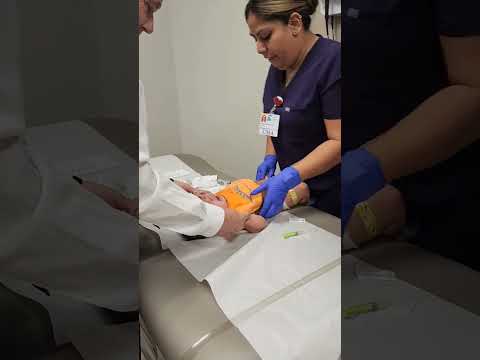
Your local health department is the behind-the-scenes team keeping your daily life safer than you probably realize. When you eat at a restaurant, they’re the ones checking that the kitchen handles raw chicken properly, so you don’t end up with a nasty bout of food poisoning. If a kid at your neighborhood school gets a suspicious rash, they’re the first to investigate and quietly contain it before it becomes a full-blown outbreak. They also run the free or low-cost vaccine clinics that protect your family from flu, measles, and whooping cough—often right in your own community center. Beyond that, they test your drinking water after a flood and help you file a report if a landlord ignores a rat infestation. Their most valuable work is often the stuff you never see happening until it doesn’t. They’re your neighborhood’s immune system, working quietly between emergency room visits and public health scares. So when a mosquito-borne illness pops up nearby, they’re not just issuing warnings—they’re spraying, testing, and telling you exactly when to stay indoors.
Core Services You Can Access Right Now
Your local health department is a direct gateway to core services you can access right now, often without an appointment. Walk in for immunizations, including flu shots and school-required vaccines, or pick up free naloxone and HIV test kits. Many departments offer same-day STI screening and treatment, plus tuberculosis testing for work or travel. You can also request in-home lead inspections, access WIC nutritional support, and get confidential tuberculosis medication. If you need help managing a chronic condition like diabetes, your health department connects you to free coaching and sliding-scale clinics immediately. Stop by or call today—these services are funded for you, and they are ready when you are.
How Public Health Offices Differ from Hospitals and Clinics

Unlike a hospital or clinic that treats you when you’re sick, a public health office focuses on the health of the whole community rather than individual patients. You won’t get a prescription or a stitches here; instead, you’ll find disease tracking, free vaccinations, and food safety inspections. Clinics bill your insurance per visit, while public health services are often free or sliding-scale and driven by prevention, not profit. They also handle environmental hazards like lead or sewage, which no clinic does. If you need a checkup, see a doctor; if you need to know about a breakout or get a shot for travel, you call the health office.
Public health offices prevent community-wide issues and track outbreaks, while hospitals and clinics diagnose and treat individual patients one at a time.
Who Works Behind the Counter and What Their Roles Are
Behind the counter at your local health department, you’ll usually find a mix of public health professionals who handle different parts of your visit. The first person you meet is often a front-desk clerk—they check you in, verify insurance or income for sliding-scale fees, and point you to the right window. Next, a registered nurse might pull your records, give vaccinations, or take blood samples for STD or TB testing. If you’re there for WIC or immunizations, a community health worker may explain program steps and schedule follow-ups. Finally, a health educator or nutritionist can answer questions about food safety or chronic disease prevention. Together, they make sure you get screened, treated, or referred quickly, without needing a separate doctor’s visit.
How to Get Services from Your County Health Office
To get services from your county health office, start by locating its official website or phone number, as most departments manage appointments and walk-in hours online. For clinical services like immunizations, STD testing, or TB screening, call ahead to confirm eligibility requirements, proof of residency, and whether fees are income-based. Many offices offer same-day slots for urgent needs, but arriving early is critical because slots fill fast. To access programs like WIC or family planning, you’ll typically need to bring identification, proof of address, and pay stubs; the intake worker will guide you through the specific paperwork. Always verify whether your service requires a referral from a primary care provider, as county clinics often operate on a sliding scale but not all services are walk-in. Request a written summary of your visit and any follow-up instructions before leaving, since records may not be shared automatically with outside providers. If you lack insurance, explicitly ask about the department’s charity care application rather than assuming you’re ineligible.
Step-by-Step: Scheduling an Appointment or Visiting Walk-In Hours
To start, call your county health office during posted phone hours or use its online patient portal to check real-time availability. For appointments, you’ll typically verify your ID, insurance (if any), and reason for visit, then receive a confirmation with your time slot. If you prefer walk-in hours, arrive early—many offices release same-day slots on a first-come basis, and bringing completed intake forms speeds up check-in. Once inside, you’ll register at the kiosk or front desk, then wait for triage. Walk-in clinics prioritize urgent needs, so expect longer waits for non-emergencies. Always confirm whether your service (like immunizations) requires an appointment, while basic screenings often allow drop-ins.

What Documents or IDs You Need to Bring
To ensure a smooth visit, bring a valid government-issued photo ID, such as a driver’s license, state ID, or passport. For children, carry their birth certificate and your own ID to prove guardianship. If you’re applying for services like immunizations or family planning, also bring proof of residency—a utility bill or lease agreement works—and your insurance card, even if you expect coverage under a sliding fee scale. For WIC or Medicaid, bring recent pay stubs or tax returns to verify income. Having these ready expedites your eligibility screening and prevents return trips.
- Photo ID for yourself (and your child’s birth certificate)
- Proof of address, like a utility bill or lease
- Insurance card and income documents (pay stubs or tax return)

Understanding Fees, Sliding Scales, and Free Programs
Most county health services operate on a fee schedule that is adjusted according to household income, so your actual cost depends on documented earnings relative to federal poverty guidelines. A sliding scale fee calculator typically applies a percentage multiplier to your gross monthly income, yielding a fixed visit charge, while certain preventive services—immunizations, tuberculosis screening, and sexually transmitted infection testing—are often excluded from billing entirely. Free programs frequently require proof of residency, prior enrollment in Medicaid, or a browncountyhealthdept.org negative balance on prior accounts, and they renew annually. Before assuming a service costs money, request a fee waiver form during intake; eligibility determinations take roughly ten business days, and retroactive adjustments are rarely granted once payment is processed.
Key Programs and Benefits Offered by Your Local Public Health Agency
Your local health department offers practical services you can use directly. Immunization clinics provide routine vaccines for children and adults, often on a sliding fee scale. Chronic disease management programs help with blood pressure monitoring, diabetes education, and nutrition counseling. Many agencies run free or low-cost STI testing and treatment, alongside confidential HIV prevention resources. Maternal and child health services include home visits for new parents and access to WIC nutrition support. Environmental health staff inspect restaurants and test private well water. How do you find these programs? Call your health department’s main line or check its website for a “services” page; most offer walk-in hours or same-week appointments. Benefits include reduced costs, no insurance required for many clinics, and connection to community-based follow-up care. These programs prioritize prevention and early intervention, directly improving local health outcomes.
Immunizations and Travel Shots: What’s Available and Who Qualifies
Your local health department offers immunizations and travel shots tailored to both routine schedules and destination-specific risks. Available vaccines include hepatitis A and B, typhoid, yellow fever, rabies, and Japanese encephalitis, alongside standard boosters like Tdap and MMR. Qualification depends on your travel itinerary, age, medical history, and current CDC guidelines—many services are free or sliding-scale for uninsured residents. Nurses assess your trip duration, activities, and vaccination record before administering shots, and they provide a yellow card for international proof. You can book a travel consult directly, often within a week, ensuring you leave protected.
Local health departments deliver destination-specific travel vaccines and routine immunizations, qualifying you based on itinerary, health status, and CDC protocols—often at low or no cost.

Food Safety Inspections and Restaurant Score Lookups
Your local health department conducts food safety inspections of every retail food establishment, assigning numeric scores based on critical violations like improper temperature control or cross-contamination. These scores are public records, and most agencies offer an online portal or phone lookup where you can search any restaurant by name or address. Before dining out, check the latest score to see if a venue passed, conditionally passed, or failed. *A perfect score does not guarantee flawless practices, but repeated high scores indicate consistent compliance.* Look for the inspection date, as older reports may not reflect recent corrections.
Food safety inspections translate directly into restaurant score lookups, enabling consumers to verify hygiene performance before choosing where to eat.
Maternal, Child, and Family Health Support Services
Your health department’s maternal, child, and family health support services connect you to home-visiting nurses who guide prenatal nutrition and newborn care before and after birth. They also offer lactation counseling, safe-sleep coaching, and developmental screenings that spot delays early. Through these services, you can access car-seat safety checks, lead-poisoning tests, and parenting workshops tailored to your child’s age. Many departments run WIC clinics for healthy food access and coordinate referrals to pediatric dentists or speech therapy. Every interaction is designed to reduce stress and build your confidence as a caregiver, with staff meeting you at community centers or virtually. These supports adapt to your family’s evolving needs from pregnancy through early childhood.
Maternal, child, and family health support services bundle nursing visits, nutrition aid, and developmental screenings into one accessible safety net for parents and children from pregnancy to age five.
When and Why You Should Contact the Health Department
Contact the health department the moment you suspect a foodborne illness linked to a restaurant, or when you spot unsafe practices like raw meat touching ready-to-eat produce during an inspection. You should also call if you’re a business owner facing a sudden sewage backup or water outage—these are immediate public health risks that demand swift intervention. For recurring issues, such as persistent rodent droppings in a rental unit or a neighbor’s overflowing septic system, do not wait; the department can mediate and enforce corrective action. Wait—before reporting a minor kitchen slip at home, remember this is for public, not private, environments. Similarly, report unusual disease clusters (e.g., several coworkers with the same rash) to help trace outbreaks. Act within 24 hours for any acute hazard. Your report is confidential, and it often triggers a same-day inspection that protects you and your community.
Reporting a Foodborne Illness or Unsanitary Conditions
If you suspect a meal made you sick, reporting a foodborne illness promptly helps investigators trace the exact source and stop further spread. Call your local health department immediately, especially if you vomited or had severe diarrhea after dining out; they can identify outbreaks you might not know exist. When you witness raw meat dripping onto produce, expired dairy on shelves, or visible rodent droppings in a kitchen, file a formal complaint—your report triggers an inspection that protects everyone. Keep the receipt, leftover food, and note the exact time you ate. A single call can connect seemingly random cases into a pattern that closes a dangerous establishment.
- Report symptoms within 24–48 hours for best traceability.
- Document the establishment’s name, address, and the specific dish consumed.
- Photograph visible unsanitary conditions like mold or pest evidence before reporting.
- Ask for a case number to follow up on the investigation’s outcome.
Getting Birth Certificates, Death Records, and Vital Statistics
Contact the health department when you need official vital records for legal or personal matters. Birth certificates are required for enrolling children in school, applying for a passport, or obtaining a driver’s license. Death records are necessary for settling estates, claiming life insurance, or handling funeral arrangements. The health department maintains these archives and can issue certified copies directly to eligible applicants. Always check their specific requirements for identification, proof of relationship, and processing fees before visiting. Many offices now offer online ordering, but urgent requests may require an in-person visit. For genealogy research, older records often require a different request form. Plan ahead—processing times vary, and missing documents can delay probate or travel plans.
STD Testing, HIV Prevention, and Confidential Counseling
Contact the health department for confidential STD testing and HIV prevention services when you have had unprotected sex, a new partner, or any symptoms like discharge or sores. These clinics offer low- or no-cost testing for syphilis, gonorrhea, chlamydia, and HIV, often with rapid results. For HIV prevention, health departments provide PrEP (pre-exposure prophylaxis) prescriptions, PEP (post-exposure prophylaxis) for recent exposures within 72 hours, and free condoms. Counseling is private and nonjudgmental, covering risk reduction, partner notification, and follow-up care. If your test is positive, staff guide you to treatment and support services—all without requiring insurance or legal guardianship, and always under strict confidentiality laws.
Tips for Navigating Your Local Health Services Efficiently
Start by bookmarking your health department’s website and checking its “services” page before you call—most forms, clinic schedules, and contact lines are listed there. When you need a vaccine, food safety test, or birth certificate, call the main number early in the day, typically before 10 a.m., to skip peak hold times. Have your ID, insurance card, and address ready, as they’ll ask for these repeatedly. Ask directly: “What’s the fastest way to get this done here?”—staff often know shortcuts like walk-in hours or online portals. For lab results or permits, use your patient portal instead of leaving voicemails. Q: What if I don’t meet income guidelines? A: Ask about sliding-scale fees or free community health events—many departments offer low-cost clinics regardless of income. Finally, follow their social media for same-day appointment openings, then book exactly one service per visit to avoid long waits.
How to Find Your Nearest Office and Check Its Hours
To locate your nearest health department office, begin with the official county or state website’s “locations” page, which typically lists addresses by zip code or city. Cross-reference this with mapping software, but verify the facility name matches the department’s domain to avoid third-party inaccuracies. For hours, check the individual office’s profile, as walk-in clinics, immunization desks, and administrative windows often operate on differing schedules—many close for lunch or on alternating Fridays. Call the main line if the website lacks a daily breakdown, since holiday closures and seasonal adjustments are frequently updated by phone only. Confirming your local office hours before visiting prevents wasted trips and ensures you arrive during public service windows.
Find your office via the official website’s location tool, then verify its specific hours—including lunch breaks and holiday changes—by checking the office’s own page or calling ahead.
What to Expect During Your First Visit
When you arrive for your first visit, check in at the front desk with your ID and insurance card, then expect a short wait while staff verify your details. You’ll fill out a brief health history form, so bringing a list of current medications speeds things up. A nurse will take your vitals—blood pressure, height, weight—before you meet the provider. Be ready to discuss your main concern and any preventive services you want, like vaccines or screenings. Most initial appointments run 20–30 minutes, so come with questions written down. You’ll leave with clear next steps, whether that’s lab work, a referral, or a follow-up date.
Your first health department visit is simple: check in, complete paperwork, get vitals taken, talk openly with the provider, and leave with a concrete plan—allow 30 minutes total.
Common Mistakes to Avoid When Requesting Records or Services
Failing to provide your full legal name and date of birth exactly as they appear on prior records is a primary reason requests stall, so double-check every form field before submitting. Avoid assuming a single visit covers all services; you must explicitly list each record type or service needed, or clerks will process only the first item. Submitting incomplete or illegible authorization forms is another frequent error—ensure signatures and notarization are current, or the health department will reject the request outright. Also, never request records without verifying the correct office location, as vital statistics often sit separately from clinical services. Finally, omit vague language like “all files”; instead, specify date ranges. Track your request by retaining receipts and follow-up within ten business days.
